

Chiang Mai is not just a scenic city; it is a world-class center for recovery infrastructure. It hosts one of the largest and most stable international recovery communities in the world.
With over 50+ English-speaking 12-Step meetings every week—covering AA, NA, CA, SLAA, and more -residents at The Pearl are immediately plugged into a thriving society of sober peers and mentors.
This “instant community” provides the social capital necessary to sustain long-term change, ensuring residents aren’t just “dry” in a house, but active in a movement.
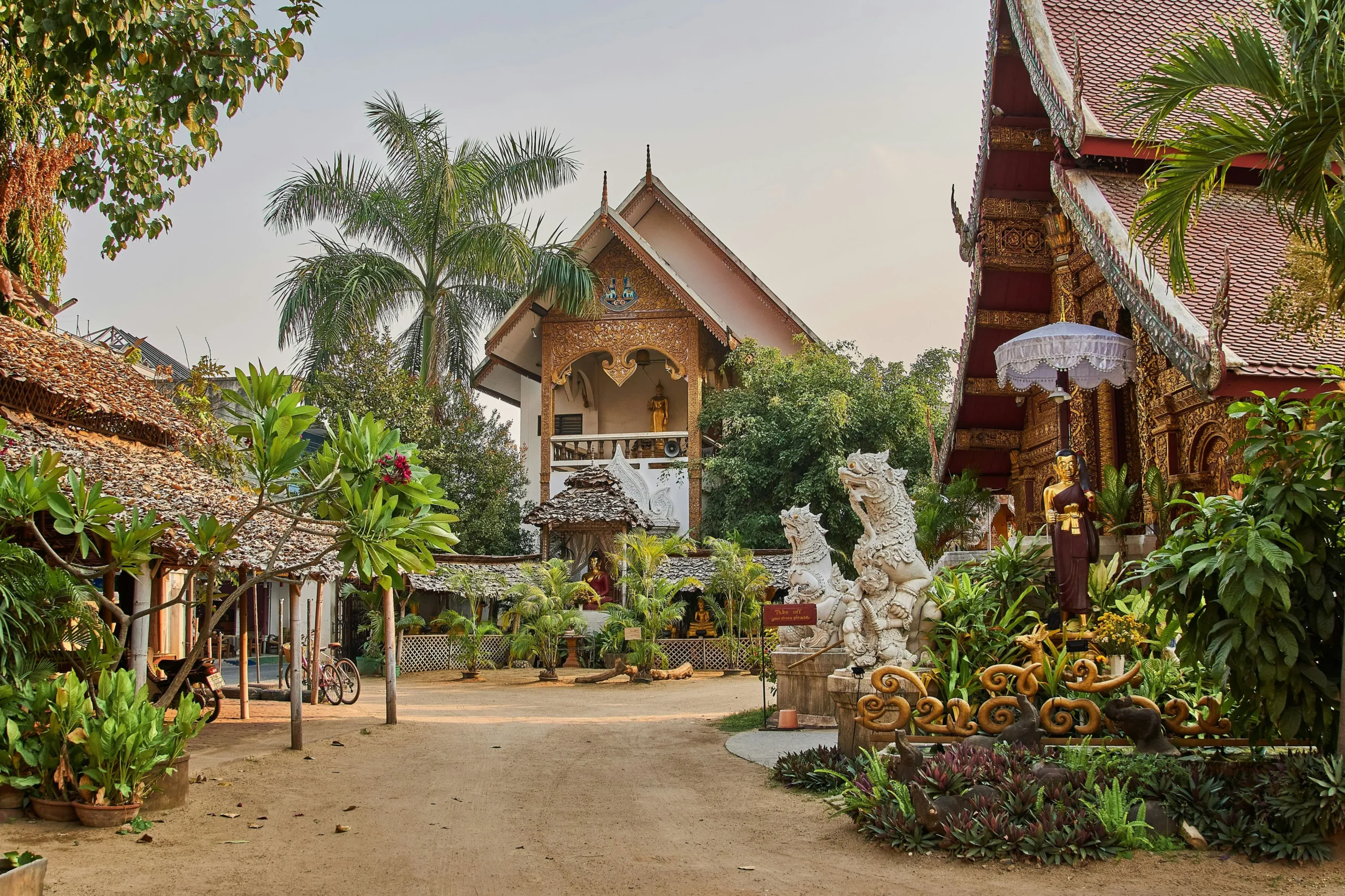
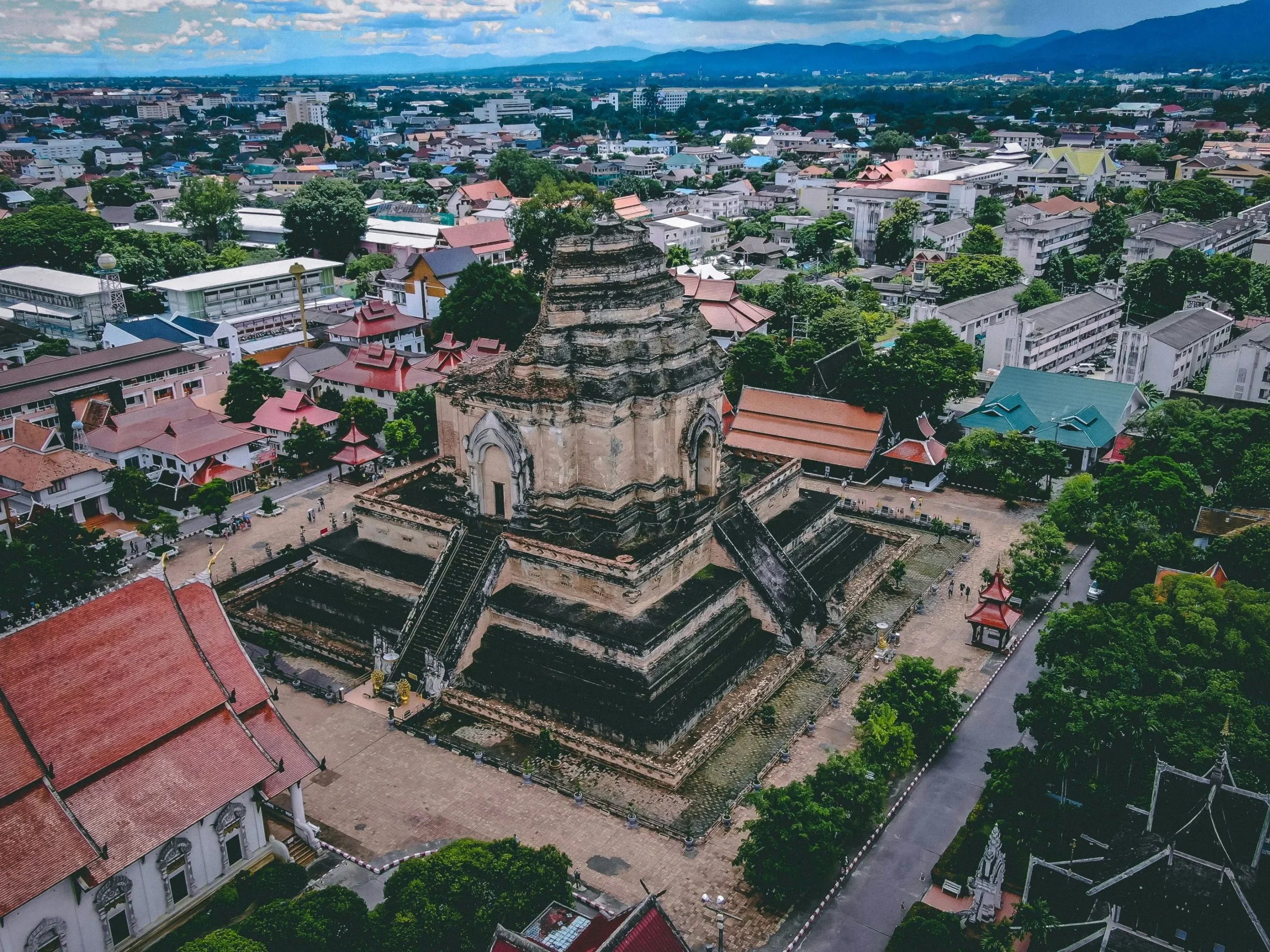
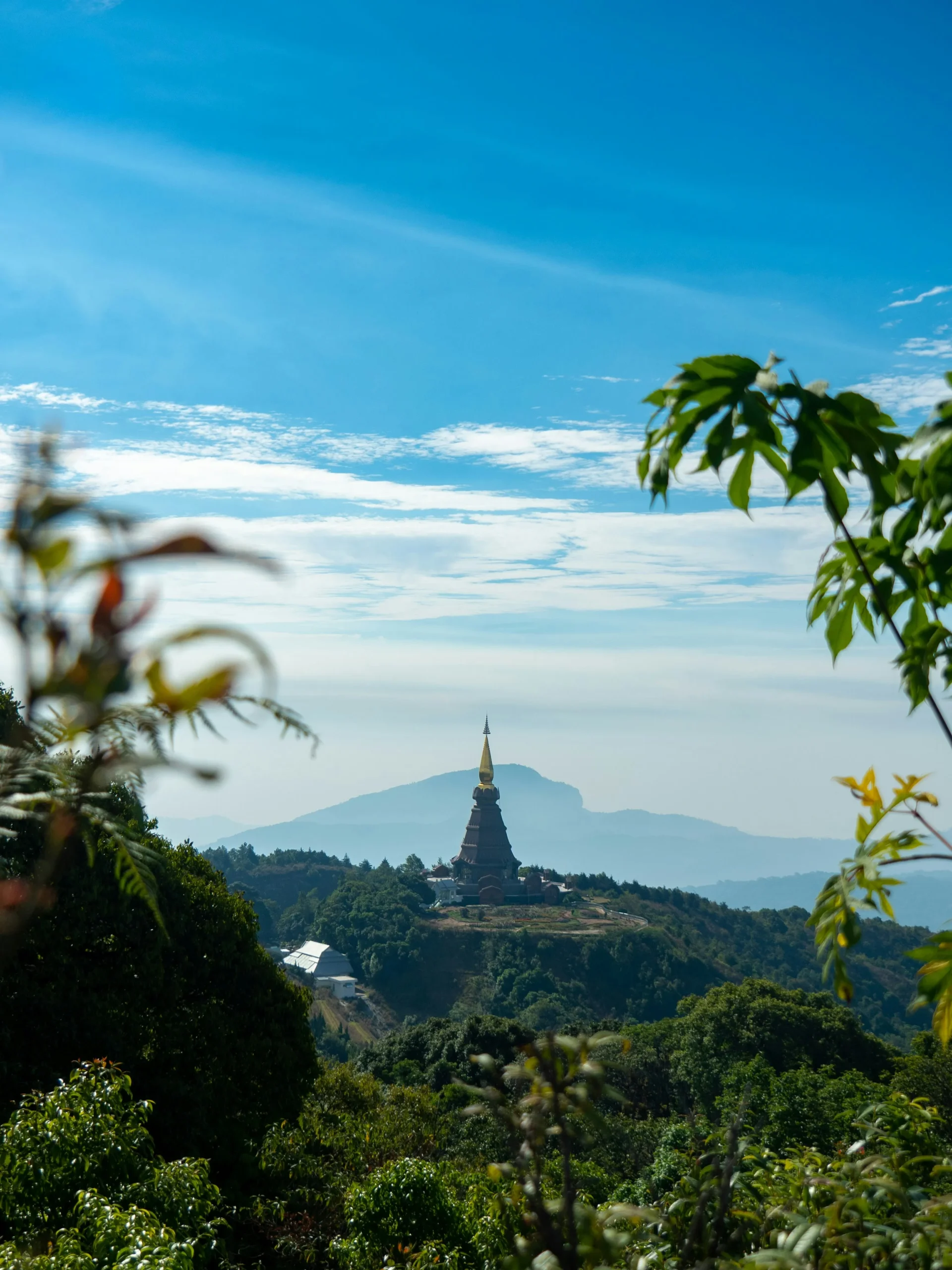
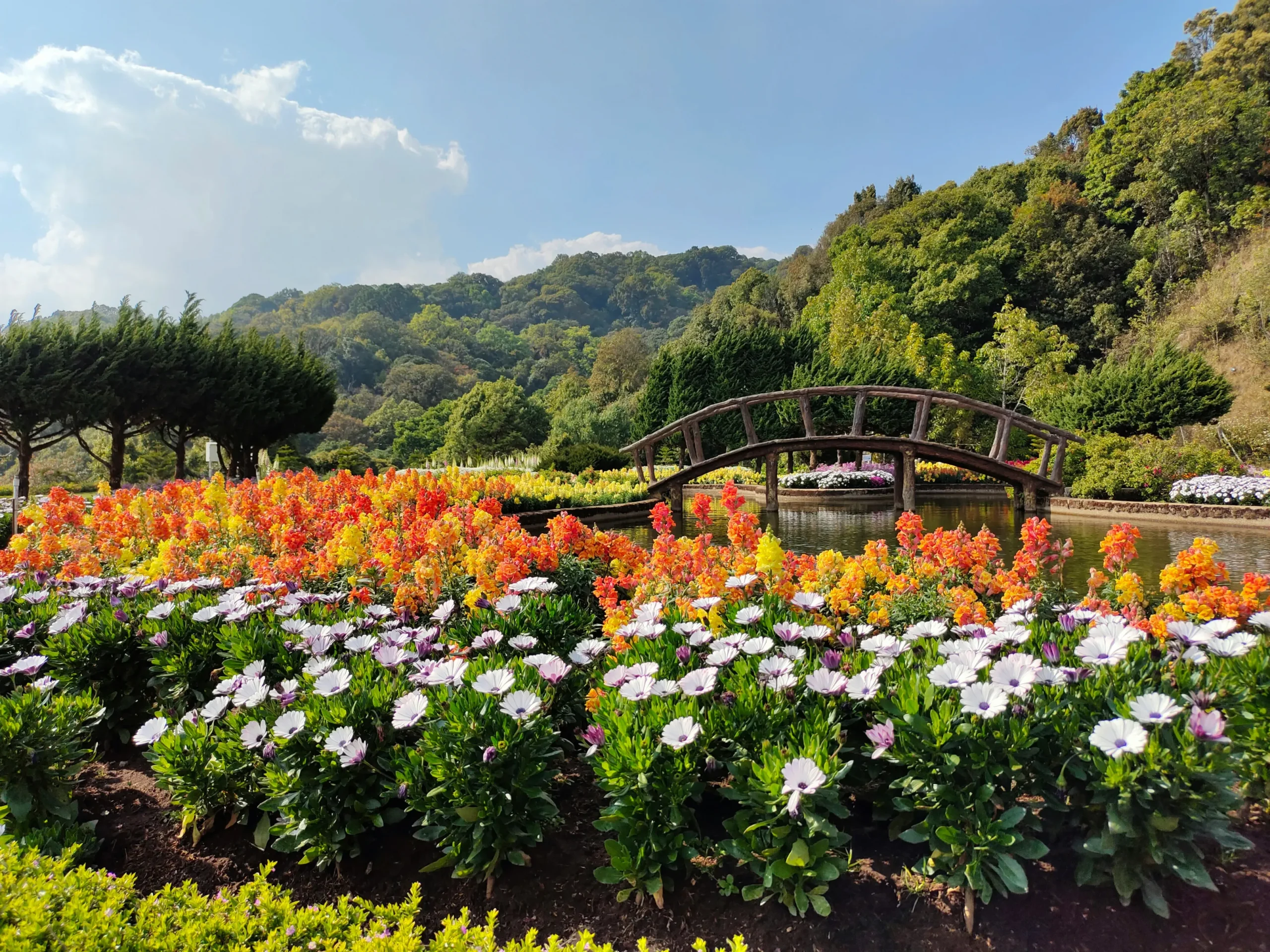
The physical environment of Chiang Mai – surrounded by mist-covered mountains and ancient temples—promotes a psychological groundedness that is hard to find in high-intensity global cities. The “slow-living” pace of the city is a powerful tool for down-regulating the nervous system. At The Pearl, the environment acts as a silent partner in the healing process, offering a serene, stable backdrop for the challenging work of early recovery.
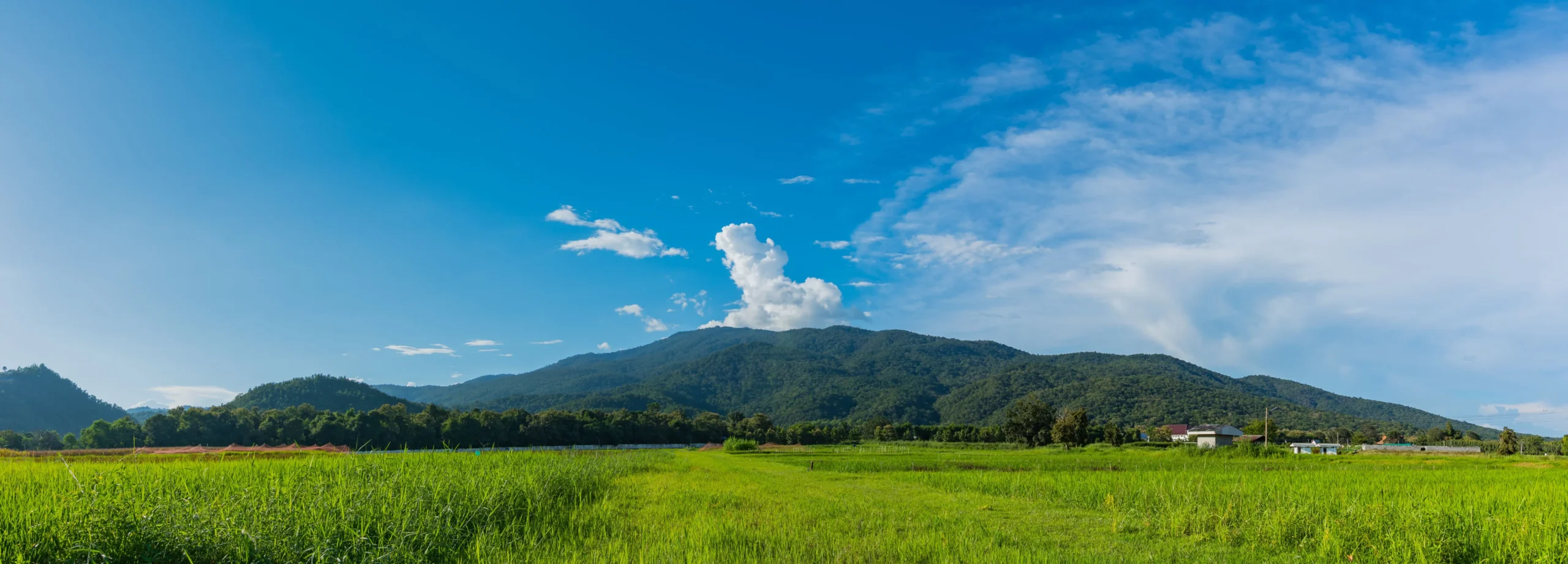
The physical environment of Chiang Mai – surrounded by mist-covered mountains and ancient temples—promotes a psychological groundedness that is hard to find in high-intensity global cities. The “slow-living” pace of the city is a powerful tool for down-regulating the nervous system. At The Pearl, the environment acts as a silent partner in the healing process, offering a serene, stable backdrop for the challenging work of early recovery.
Physical distance is a legitimate clinical tool. By relocating to Chiang Mai, residents achieve a total “pattern interrupt,” 10,000 miles away from the people, places, and things that fueled their addiction. This geographical boundary provides the neurological breathing room needed to build a new identity. Without the constant presence of old cues and triggers, the brain’s reward system can finally reset and begin to find pleasure in a productive, sober life.
Chiang Mai is a global leader in medical tourism, offering a level of care that often surpasses Western standards while remaining significantly more affordable.
The local Thai culture is deeply rooted in the concept of “Jai Yen” (a calm heart) and non-judgmental kindness. For those carrying the burden of shame associated with addiction, this cultural backdrop is transformative. Immersing oneself in a society that prioritizes mindfulness and compassion allows our residents to practice self-care and patience in a natural, daily setting. The pervasive Buddhist philosophy of “Sati” (mindfulness) provides a supportive atmosphere for the internal work of recovery.
Yes. Chiang Mai is consistently ranked as one of the safest cities in the world. The international community here is exceptionally welcoming, and the city offers a peaceful, low-stress lifestyle that is conducive to recovery.
We are strategically located near the city’s primary recovery hubs. Residents use the local transport network – which is efficient and easy to navigate—as part of their re-learning of daily life skills and independence.
Almost all doctors and dentists at the major private hospitals in Chiang Mai speak fluent English, and many were trained in Europe or North America.
The quality is exceptionally high. You are getting the same materials (like Straumann or Nobel Biocare implants) and the same technology used in the best clinics in London or New York, but at a price that reflects Thailand’s lower overhead and competitive medical market.
Relapsing often happens because people return to old environments too quickly. Staying in Chiang Mai provides a “buffer zone” where you can practice your new tools in the real world, but without the old people, places, and things that pull you back into old habits.